Key takeaways
- Maintenance frequency should reflect equipment guidance, environment and operating intensity.
- Filters, coils, drains, electrical systems and controls all affect reliable operation.
- Records help teams distinguish recurring faults from isolated symptoms.
Preventive maintenance as a system
Preventive maintenance is a planned combination of inspection, cleaning, measurement and corrective follow-up. Its purpose is to preserve safe operation, comfort, reliability and serviceability—not simply to respond after equipment stops.
The maintenance plan should follow the approved equipment documentation and adapt to operating hours, environmental exposure and the criticality of the served space.
Indoor and air-side checks
Filters, coils, fans, diffusers and drain systems directly affect air delivery and indoor conditions. Dirty filters or coils can restrict airflow, while blocked drains can cause leakage and damage.
- Inspect and service filters as appropriate
- Check coil condition and airflow paths
- Inspect drain pans, traps and condensate routes
- Listen for abnormal fan noise or vibration
- Confirm accessible panels are safely secured
Outdoor and plant equipment
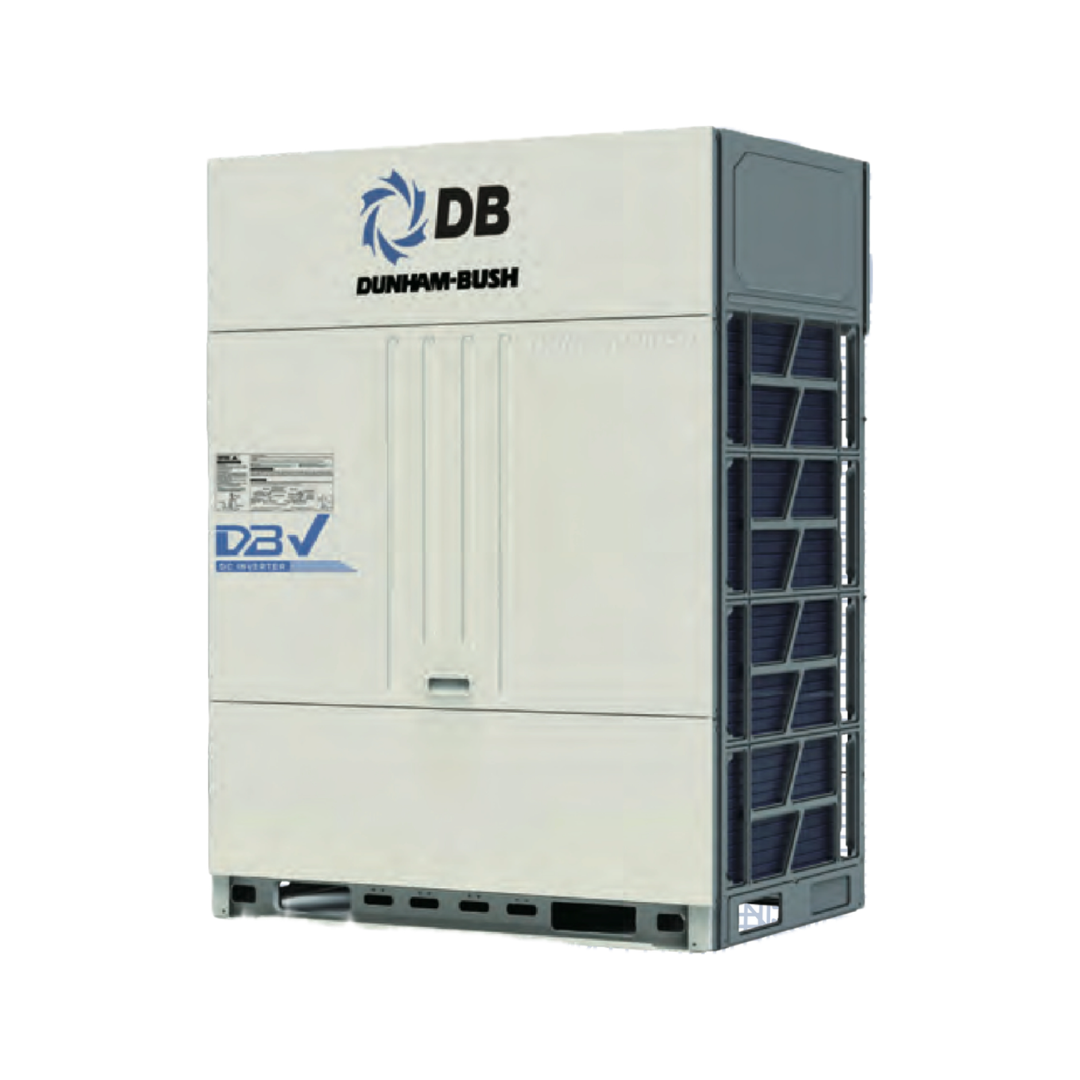
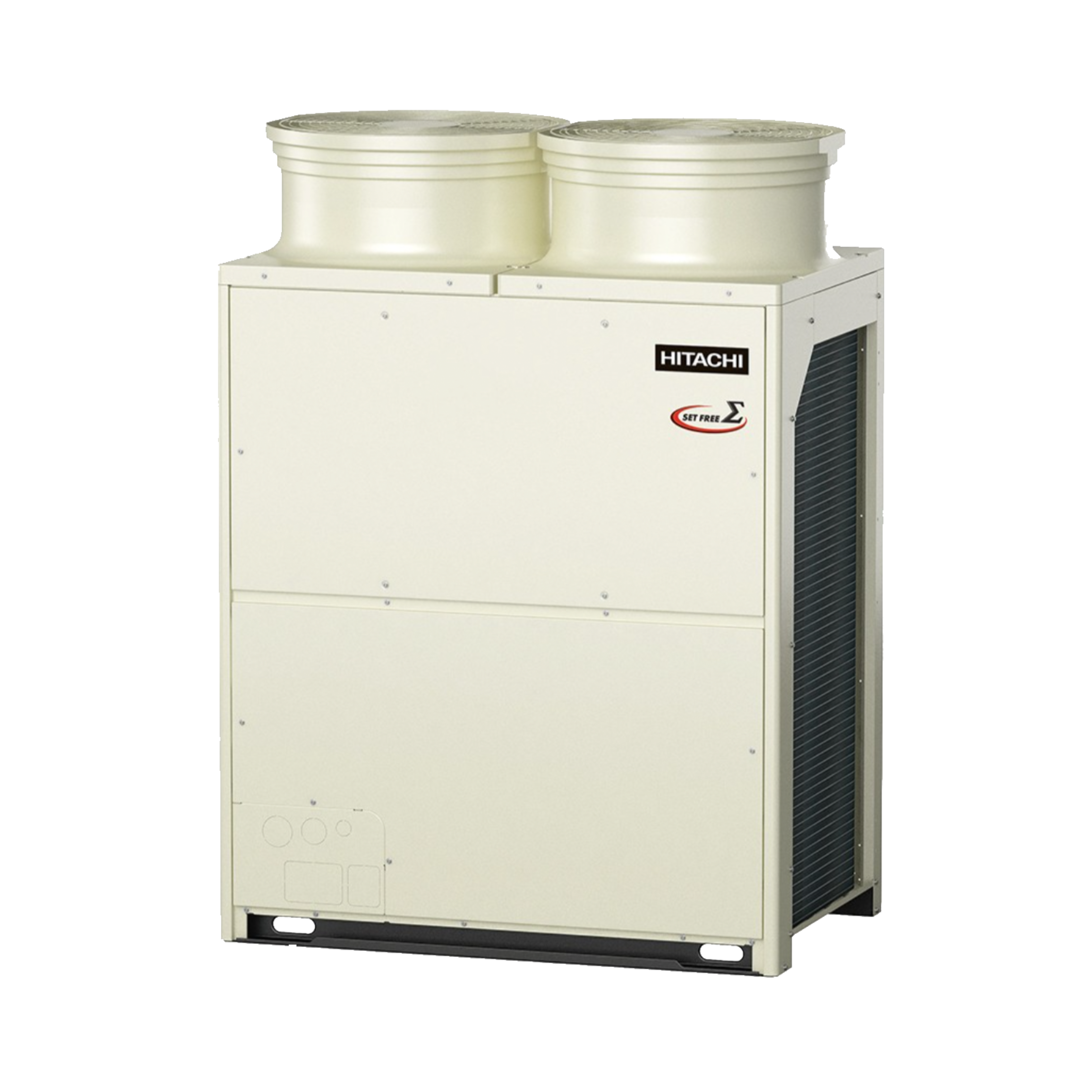
Outdoor units and chillers require clear heat-transfer surfaces, unobstructed airflow and safe access. Facility teams should watch for debris, corrosion, abnormal noise, vibration and visible damage.
Water-based plants may additionally require attention to pumps, strainers, valves, water quality and treatment. The exact work should follow the system design and approved maintenance instructions.
Electrical, controls and operating data
Electrical checks and refrigerant-system work should be handled by competent personnel. Controls, sensors and communication networks should be reviewed when zones behave unexpectedly.
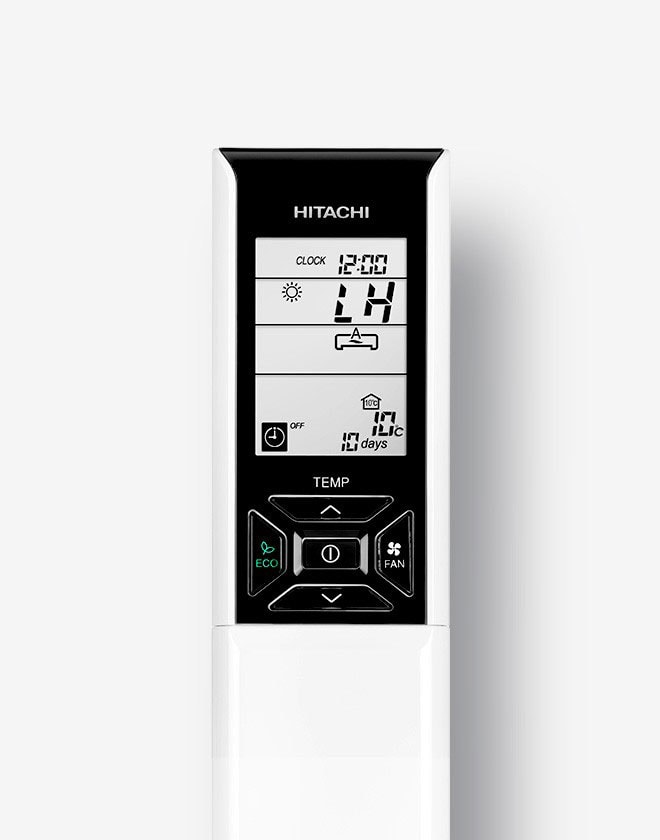
Trend data, alarms, temperatures and operating observations can help identify deterioration. A single reading should be interpreted in context rather than used alone to diagnose a fault.
Records and specialist support
Maintenance records should show what was inspected, what was found, what was corrected and what remains open. Repeated alarms, refrigerant indicators, electrical faults or major performance changes require specialist investigation.
Facility teams should avoid unsafe intervention and should not bypass protective devices. Escalation criteria and service contacts belong in the maintenance plan.
Frequently asked questions
Practical questions about this topic
How often should commercial HVAC equipment be serviced?+
There is no single interval for every system. Follow approved manufacturer guidance and adjust for operating hours, environment, equipment condition and facility criticality.
Can cleaning alone solve poor cooling?+
Not always. Airflow, controls, load changes, electrical conditions and refrigerant-system issues may all require investigation.
Why keep maintenance records?+
Records reveal recurring issues, support planning and give technicians useful context for diagnosis and lifecycle decisions.
Project support
Need support with an HVAC project?
Share your building type, project location, drawings and current stage. Abontika can help coordinate the appropriate technical next step.